Introduction
Wound care is a vital facet of health care that plays a critical function in the recovery procedure of individuals. Understanding the intricacies of wound administration and the skills called for to supply effective treatment can substantially boost individual results. This short article aims to check out the foundations of basic wound care training, its importance for medical care specialists, especially nurses, and exactly how it incorporates best practices in wound care for nurses into more comprehensive individual monitoring strategies.
The emphasis will get on various aspects of wound care training, consisting of specialized training courses offered for registered nurses, progressed training for complicated wounds, persistent wound monitoring strategies, and far more. By the end of this thorough overview, readers will certainly obtain insights right into efficient injury care techniques and the significance of ongoing education in this crucial field.
Basic Wound Care Training: Foundations for Effective Person Management
Basic wound care training acts as the foundation for efficient person management. It incorporates a variety of abilities and knowledge locations that are essential for any person associated with offering direct care to people with injuries. This training covers understanding different kinds of injuries-- such as acute, chronic, and intricate wounds-- and knowing just how to manage them efficiently.

What Is Wound Treatment Professional Training?
Wound care specialist training concentrates on preparing healthcare specialists with an extensive understanding of numerous wound kinds. This customized training outfits individuals with innovative knowledge regarding recovery processes, infection control measures, and ideal methods for dressing selection.
Key Components of Wound Care Specialist Training:
Anatomy and Physiology: Comprehending skin structure and recovery processes. Types of Wounds: Distinguishing in between medical, terrible, stress ulcers, diabetic foot ulcers, etc. Assessment Techniques: Learning just how to assess wounds precisely making use of standardized tools. Treatment Modalities: Exploring numerous treatment alternatives such as debridement techniques and progressed dressings.By acquiring these expertises through wound care specialist training, healthcare providers can considerably enhance their ability to manage intricate situations effectively.
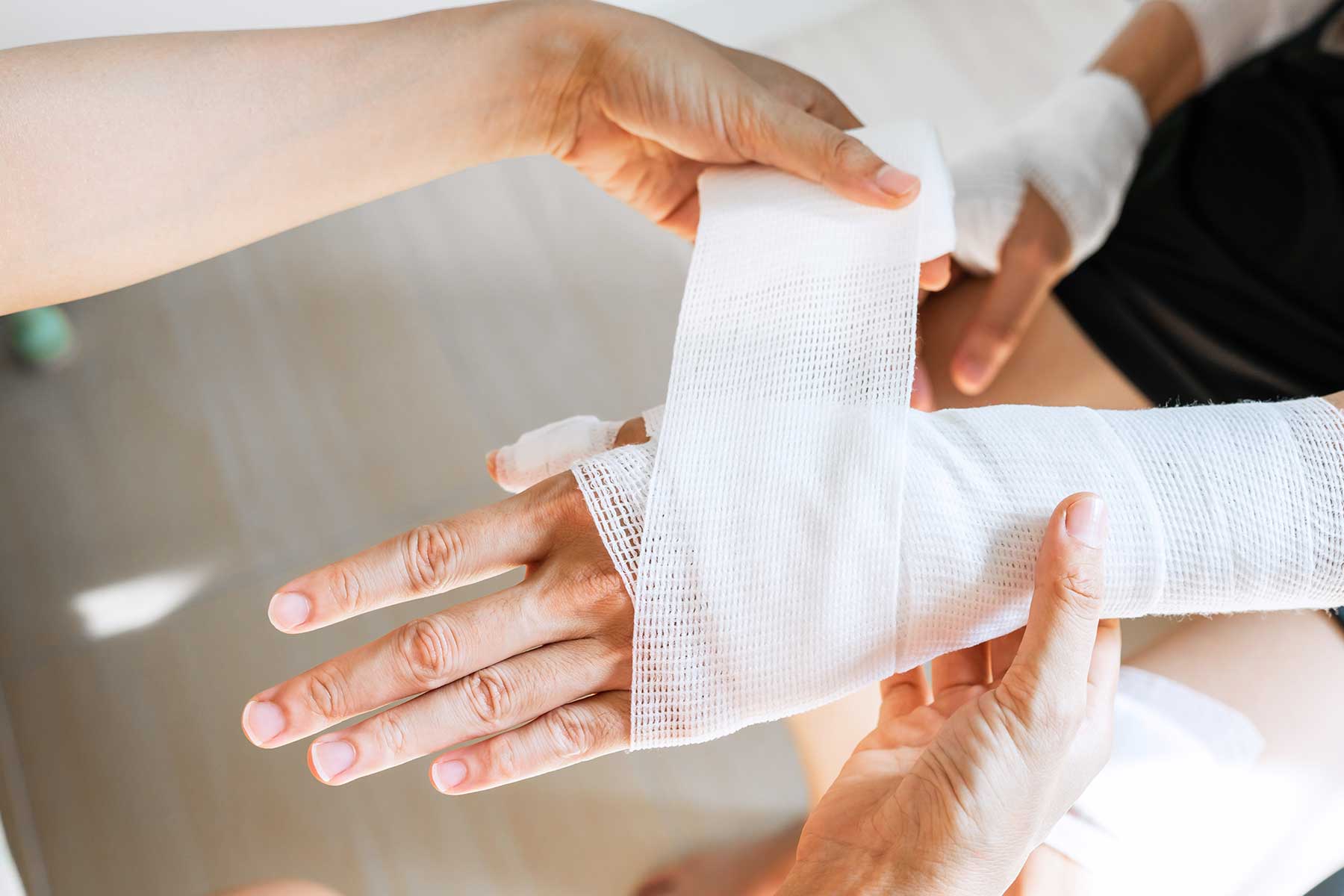
The Significance of Wound Care Training for Nurses
Nurses often serve as frontline caretakers in wound administration settings. Therefore, comprehensive wound care training for nurses is important to ensure they have the requisite skills to supply top quality person care.
Why Is It Essential?
- Improved Client Outcomes: Correctly educated nurses can contribute favorably to faster recovery rates. Reduced Infection Rates: Expertise about infection control practices lowers the possibility of complications. Enhanced Confidence: With ample training, registered nurses feel encouraged to make informed decisions concerning individual treatment plans.
Incorporating basic wound care training into nursing educational program guarantees that future professionals are well-prepared for real-world obstacles they might face in their careers.
Exploring Different Wound Care Training Courses
There are numerous programs available internationally concentrating on standard wound treatment. These programs accommodate differing levels of competence-- from introductory programs meant for beginners to sophisticated workshops created for seasoned practitioners.
Popular Sorts of Wound Care Training Courses Include:
- Online Qualification Programs In-Person Workshops Specialized Seminars on Complex Wound Management NDIS (National Impairment Insurance policy Plan) associated programs concentrating on community-based wound care
Each program offers distinct benefits tailored to various discovering choices and needs.
Understanding Basic Wound Treatment Protocols
Basic wound care procedures put down a framework that overviews doctor in managing wounds effectively. Abiding by these methods can dramatically affect patient fulfillment and recuperation times.
Essential Steps in Basic Wound Treatment Include:
Initial Assessment: Complete assessment utilizing visual evaluation methods. Cleaning the Wound: Employing sterilized strategies while cleaning. Dressing Application: Picking ideal dressings based on private circumstances. Follow-Up Care: Arranging normal evaluations to keep an eye on healing progress.Following these steps makes sure that each person's special demands are satisfied while advertising optimal healing conditions.
The Duty of Nursing Wound Care Training Programs
Nursing wound care training programs play a crucial duty in gearing up nurses with essential skills required for effective individual administration worrying wounds.
Components Covered in Nursing Wound Care Training Include:
- Comprehensive assessments Treatment preparation based on evidence-based practice Patient education regarding self-care techniques
Implementing these parts assurances that nurses can provide top quality treatment throughout their patients' healing journeys.
Complex Wound Care Management Techniques
Managing complex injuries needs specialized understanding because of the diverse nature of such injuries. Advanced training courses concentrate on outfitting experts with up-to-date methods ideal for attending to tough situations effectively.
Specific Techniques Utilized in Complicated Wound Administration May Include:
- Negative Stress Injury Treatment (NPWT) Advanced Dressings (e.g., hydrocolloid or alginate) Biologic Dressings Multidisciplinary Method entailing professionals like dietitians or physical therapists
With a complete understanding of these approaches with devoted complex wound care programs, professionals can deal with even one of the most requiring situations confidently.
Chronic Wound Care Management Insights
Chronic wounds pose distinct challenges because of their extended recovery times frequently linked with underlying health problems such as diabetes or vascular deficiencies. Chronic wound care management stresses customized approaches aimed at resolving both signs and symptoms and root causes effectively.
Key Principles in Persistent Injury Management Include:
Accurate Diagnosis-- Recognizing underlying problems adding to non-healing. Regular Monitoring-- Tracking progress with systematic assessments. Patient-Centered Methods-- Involving patients actively includes them in their very own recovery trip by informing them about self-care practices.Through persistent application of these principles discovered during chronic wound administration training sessions, doctor can promote far better long-term end results for impacted individuals.
Wound Care Administration Ideal Practices
Effective wound care management pivots upon implementing ideal techniques designed based upon present research study findings and clinical experiences alike:
1. Evidence-Based Guidelines
Utilizing evidence-based guidelines not only builds trustworthiness yet also guarantees all interventions align with acknowledged requirements within the clinical area today!
2. Interprofessional Collaboration
Collaboration amongst different specialties-- including medical professionals' input along with nursing competence-- enhances holistic methods towards detailed therapy techniques!
3. Constant Education
Regular participation in continuous education programs keeps specialists upgraded concerning recent advancements within this swiftly developing field!
FAQs Regarding Fundamental Injury Care Training
1) What is basic injury care?
Basic injury treatment requires analyzing a person's injury complied with by cleansing it suitably prior to using ideal dressings while monitoring recovery progress over time!
2) Who should participate in basic injury treatment training?
Healthcare specialists entailed straight or indirectly with clients suffering from any type(s)of injury would certainly profit greatly from going to relevant programs focused on refining essential skills!
3) What credentials do I require prior to enrolling?
Typically no specific requirements exist besides being engaged within health care fields; nonetheless previous experience dealing entailing straight person call may prove useful when browsing program materials!
4) How usually need to I update my skills related to this area?
It's advisable individuals refresh their expertise every few years since new methods/techniques emerge constantly changing existing techniques ensuring all staff continue to be experienced regarding innovations presented throughout market advancements!
5) Are online choices available?
Yes! Numerous reputable institutions supply on-line accreditation alternatives providing especially in the direction of hectic specialists seeking adaptability without jeopardizing educational top quality provided easily by means of digital formats!
6) Can I specialize after finishing preliminary program material?
Absolutely! Following conclusion people might go after customized tracks focusing either completely in the direction of complex/chronic situations enabling them check out deeper complexities bordering certain areas passions enhancing proficiency offered throughout broader range clientele served daily!
Conclusion
In verdict, basic wound care training forms an important foundation whereupon effective patient management relaxes within modern-day health care contexts dealing largely around injuries endured by people experiencing any kind of number diverse difficulties faced daily! With continual education and learning efforts emphasizing collaboration among multidisciplinary teams along with execution developed ideal practices eventually leads enhanced overall results profiting every person included throughout procedure ensuring safety/quality supplied consistently progressing together!

Investing time into pursuing pertinent coursework not only improves individual capacities yet additionally promotes enhanced interaction in between suppliers & & patients aiding grow settings ripe promoting trust & & collaboration required make best use of success accomplished collectively when making every effort towards shared objectives ahead!